Are you thinking about taking a long car trip with your baby? We know the idea can be exciting, but also a little nerve-wracking. Traveling with a newborn or toddler for several hours can seem complicated, but don't worry. With good planning and a few practical tips, you can ensure everyone enjoys a comfortable and safe journey . Here's a complete guide with advice to help everything go smoothly.
1. Safety always comes first: Appropriate and properly installed car seats
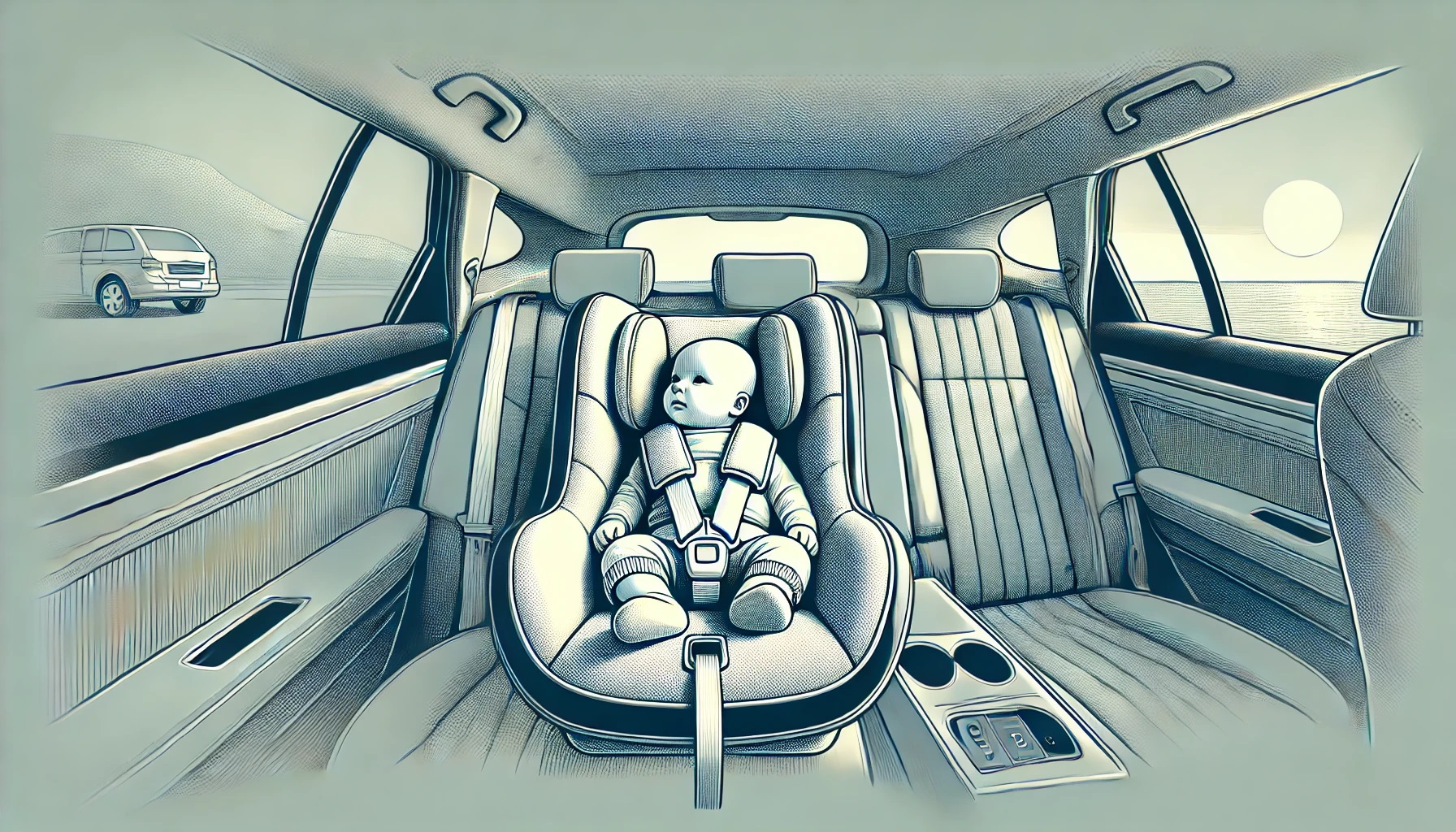
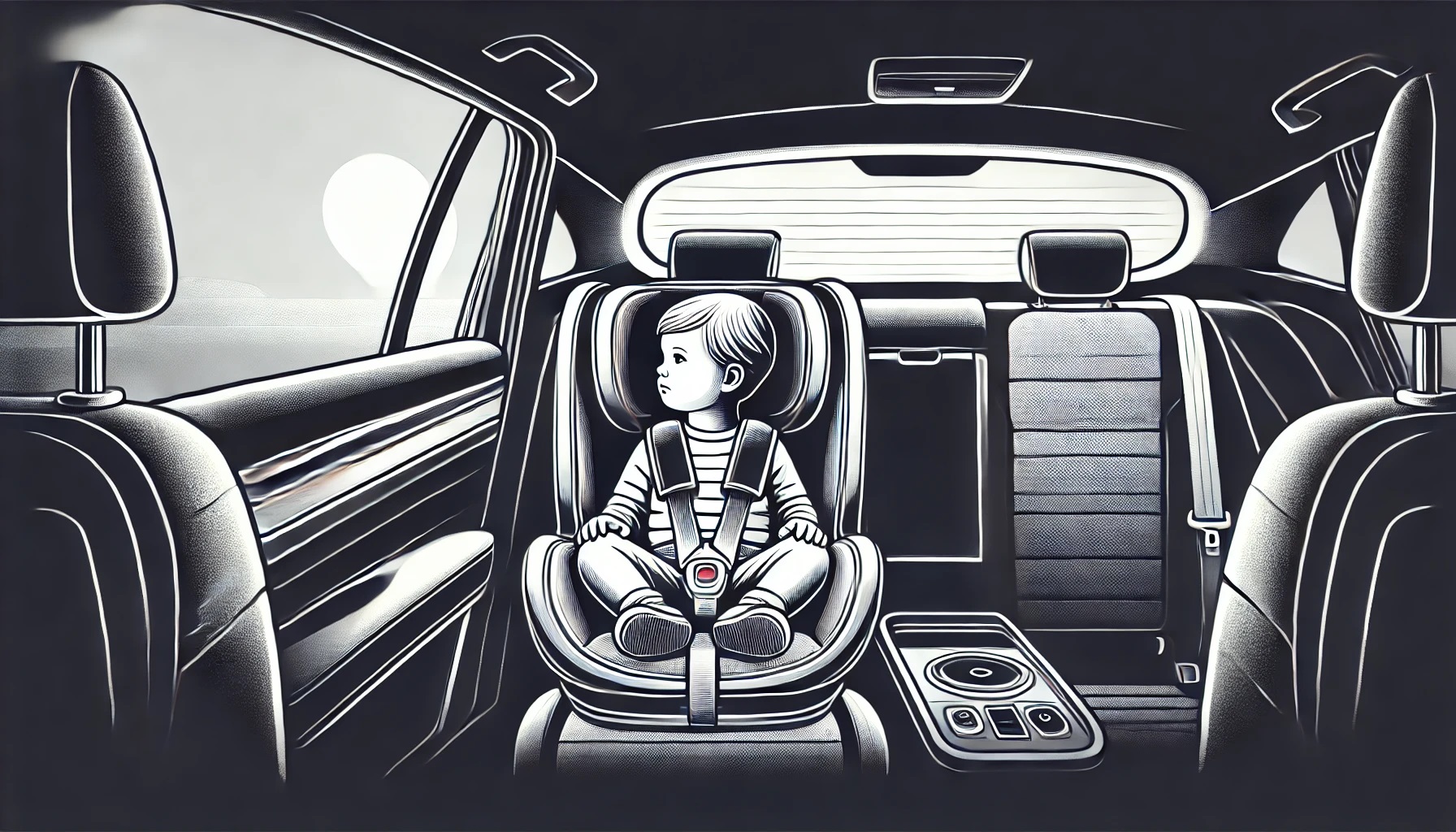
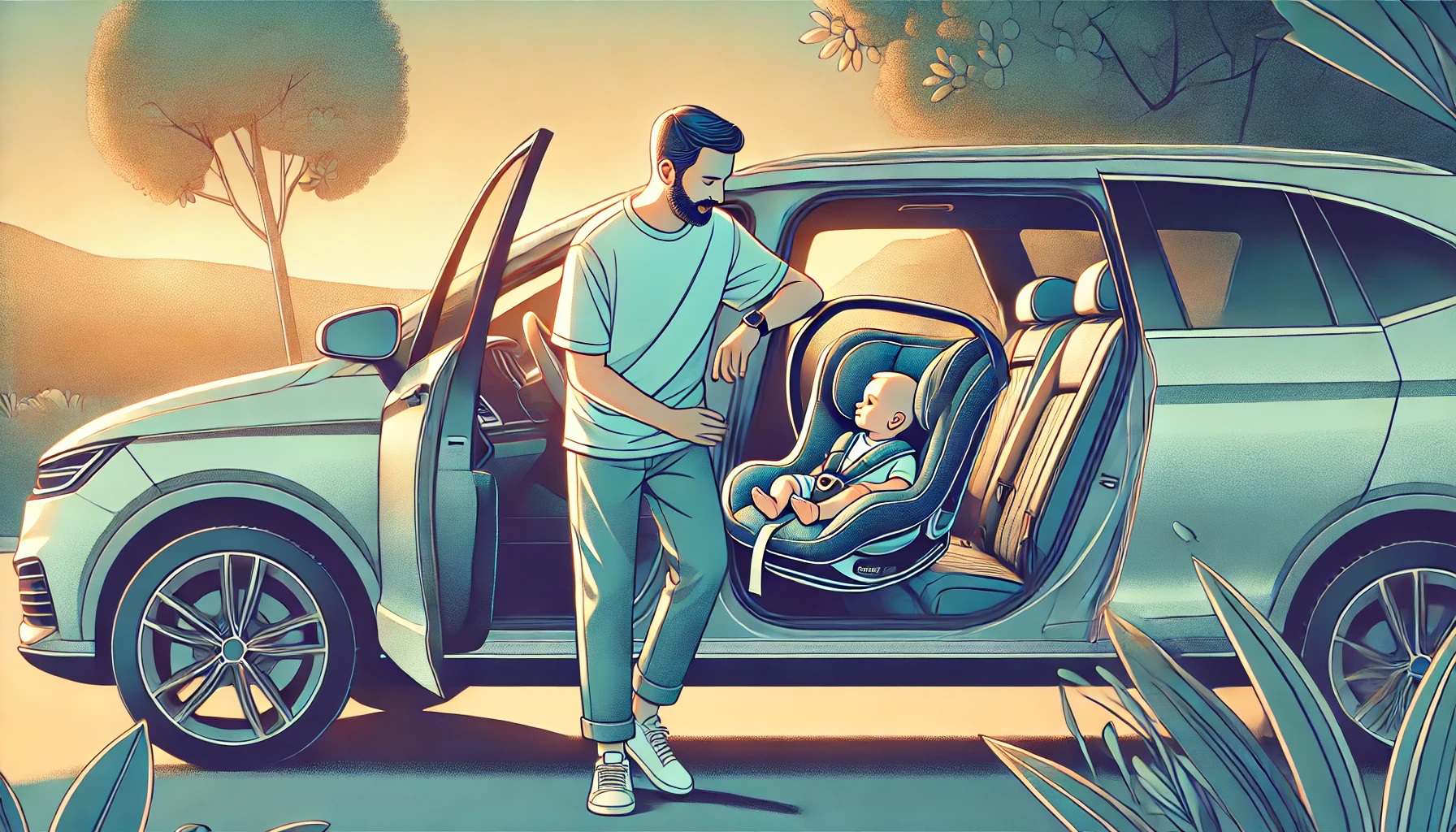
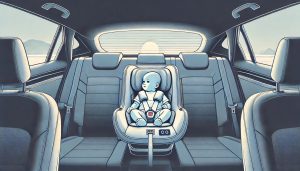
The most important safety factor for your baby in the car is the car seat you use and how you install it. An improperly fitted seat can not only be uncomfortable, but can also put your little one's life at risk in the event of an accident.
Key safety tips:
- Choose the right chair: Make sure it's the right size for your baby's age, weight, and height. Newborns should always travel in rear-facing seats, as they offer better protection for their neck and head.
- Verify the installation: If your car has the Isofix system, use it. This system makes the seat more stable and easier to install. If you don't have Isofix, carefully follow the manufacturer's instructions. Make sure the seat doesn't move more than 2 cm when you push it from the base.
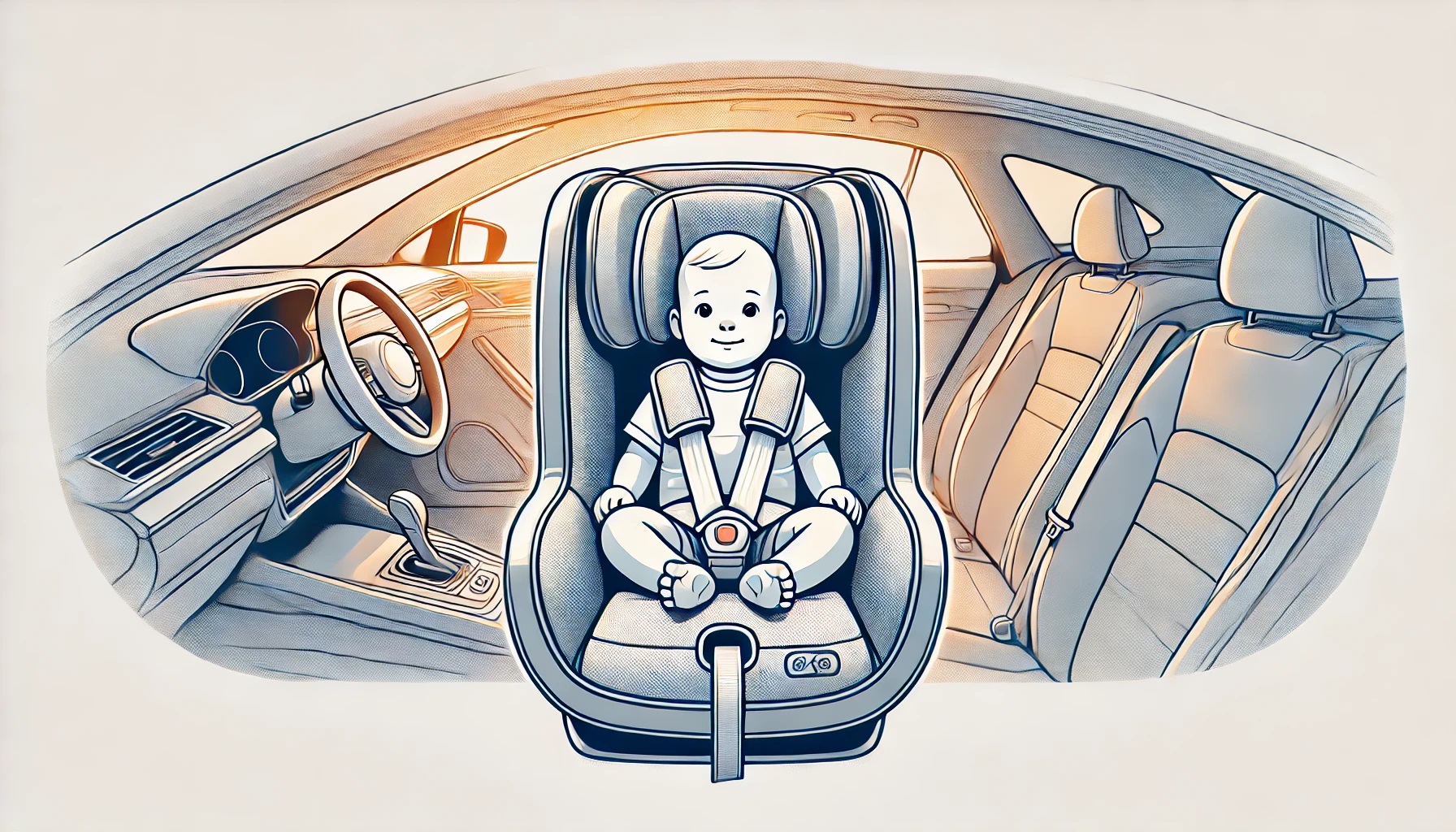
- Correctly adjust the harness: It should be snug enough to prevent your baby from slipping, but not so tight that it causes discomfort. A good trick is to make sure you can fit two fingers between the harness and your baby's body.
💡 Bonus tip: Before heading out, check that the chair's reclining angle is correct. This will prevent your baby's head from falling forward while sleeping, allowing them to breathe comfortably.
2. Plan your trip: Time, stops, and flexibility
When traveling with a baby, the journey requires more planning than usual. Although it may take longer to arrive, taking your time will make the trip more comfortable for everyone.
How to Plan a Baby-Friendly Trip:
- Avoid the hottest hours: Try to travel early in the morning or at dusk, when temperatures are more pleasant.
- Make frequent stops: Ideally, you should stop every two hours so your baby can stretch, rest, and breathe fresh air. These breaks are also great for you to clear your head and drive more calmly.
- Be flexible: Your baby may need more stops than planned, and that's okay. If he cries or seems uncomfortable, find a safe place to stop and care for him.
3. Make sure your baby is comfortable: Clothing, temperature, and accessories
A comfortable baby during travel is a happy baby, which means less crying and more peace of mind for everyone.
How to keep your baby cool and comfortable:
- Dress him in light, breathable clothing: Choose soft cotton clothing that isn't tight or bulky. Avoid wearing heavy coats or jackets inside the chair, as they can interfere with the safety harness.
- Control the temperature of the car: Use air conditioning to maintain a comfortable temperature, or open the windows slightly if you don't have air conditioning. Place sunshades on the windows to protect your baby from direct sunlight.
- Useful accessories: Consider using a breathable car seat cover and padded harness protectors. These small details can make a big difference in your child's comfort.
💡 Mistakes to avoid: Never place thick blankets under your baby while in the car seat, as this can compromise their safety in the event of an impact.
4. Entertain him: Toys, music and more
Long trips can be boring for babies, but with a little creativity, you can keep them entertained and prevent them from getting restless.
How to keep your baby happy during the journey:
- Bring safe toys: Choose soft, lightweight, and easy-to-handle toys, such as rattles, stuffed animals, or cloth books.
- Create a relaxing atmosphere: Play soft music, lullabies, or other peaceful sounds. This will not only calm your child, but it may also help them fall asleep.
- Use a baby mirror: If your baby is traveling rear-facing, a rear-seat mirror can help entertain them by viewing their reflection. It also allows you to keep an eye on them without turning your head.
5. Nutrition and hydration: Be prepared to meet their needs
During a long trip, it's essential to be prepared to feed and hydrate your baby when needed.
What to bring for feeding your baby:
- Breastfeeding or bottle-feeding: If you're breastfeeding, plan convenient stops for breastfeeding. If you're bottle-feeding, bring prepared water and powdered milk to easily mix during the trip.
- Snacks for older babies: If your little one is already eating solids, opt for convenient foods like purees in pouches or soft biscuits.
- Hydration: On hot days, make sure your baby is well hydrated. For babies older than 6 months, you can offer water in small amounts.
💡 Safety note: Never feed your baby while the car is moving. Stop in a safe place to feed them.

Frequently asked questions about long trips with babies
1. How long can a baby stay in a car seat?
It's not recommended that a baby be in the car seat for more than two hours at a time. Take regular breaks so they can rest and change positions.
2. What do I do if my baby cries a lot during the trip?
Stop in a safe place and check if he or she is hungry, sleepy, needs a diaper change, or just wants some physical contact.
3. Is it safe to use blankets in the car seat?
Yes, but they must always be worn over the harness, never under it. This ensures the harness works properly in the event of an accident.
4. How do I keep the chair cool in summer?
Use breathable covers, install window shades, and cool the car seat before putting your baby in to prevent the seat from getting too hot.
Enjoy the family trip
Traveling long distances with your baby can seem challenging, but with good planning and a little patience, you can turn it into a pleasant and memorable experience. Make sure your baby travels safely, make frequent stops, and maintain a comfortable environment for them.
Remember that every baby is different, so adjust the trip to suit their needs. At the end of the day, the important thing is to enjoy the journey and create beautiful family memories. Have a great trip!